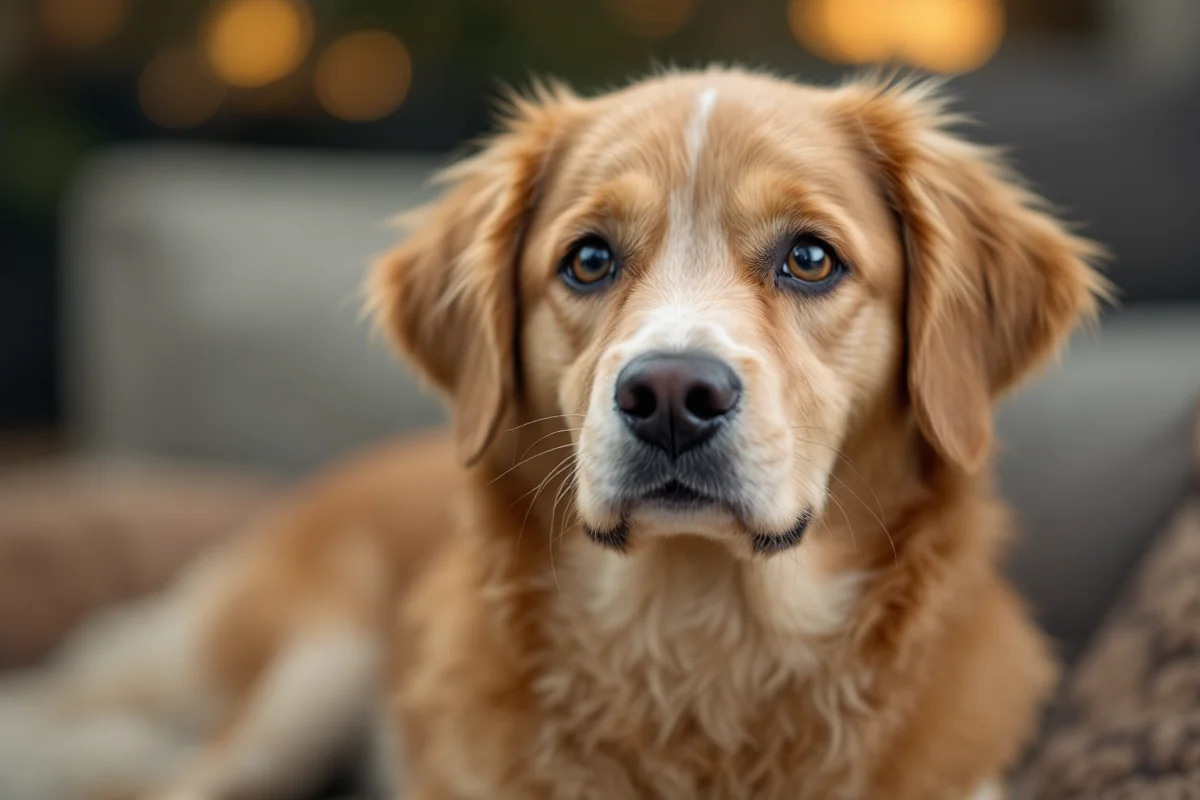
Classic unisex names starting with S offer timeless appeal that works across all breeds and personalities. These names avoid gendered conventions while maintaining a polished, dignified feel—perfect for owners seeking something neither explicitly masculine nor feminine. Names like Scout, Shadow, and Sage have stood the test of time, appearing on registration lists and dog park rosters for decades. Unisex names work especially well for puppies adopted young (sex undetermined) or rescue dogs with ambiguous backgrounds. This list focuses on names with genuine staying power: words with meaning, literary references, and nature-inspired choices that sound equally natural calling a retriever or a chihuahua. Our top picks: Sage, Scout, Shadow, Skye, Sterling. Full list below, searchable and sortable.
The picks of the litter
Our Gaeilge teacher, a rescue trainer, and thirteen very good dogs weighed in. These five kept coming up.
-
01
SageWise and thoughtful; derived from the herb and the wise person archetype.
-
02
ScoutAn explorer or messenger; connotes curiosity and adventurous spirit.
-
03
ShadowA dark silhouette or faithful companion who follows closely.
-
04
SkyeThe expanse above; open, boundless, and serene.
-
05
SterlingHigh quality or of genuine value; traditionally British in tone.
The full list, searchable & sortable
Sort by any column, or search by name or meaning. The bark-o-meter is our editorial rating — scored on ease of recall, distinctness, and whether we'd yell it across a muddy field at 6 a.m.
| Name ▾ | Tag | Meaning | Bark-o-meter |
|---|---|---|---|
| Sage | Very popular | Wise and thoughtful; derived from the herb and the wise person archetype. | |
| Scout | Very popular | An explorer or messenger; connotes curiosity and adventurous spirit. | |
| Shadow | Very popular | A dark silhouette or faithful companion who follows closely. | |
| Skye | Popular | The expanse above; open, boundless, and serene. | |
| Sterling | Classic | High quality or of genuine value; traditionally British in tone. | |
| Sirius | Rare to uncommon | The brightest star in the night sky; from Greek mythology. | |
| Smoke | Popular | Wispy, mysterious, and ephemeral; implies grace and mystery. | |
| Salem | Uncommon | Peace in Hebrew origin; historically significant American town. | |
| Sparrow | Trending | A small, quick bird; suggests nimbleness and friendliness. | |
| Sable | Uncommon | Dark brown or black color; rich and elegant. | |
| Storm | Popular | Powerful natural phenomenon; strong, dramatic energy. | |
| Spirit | Popular | Essence or soul; life force and personality. | |
| Slate | Uncommon | Gray stone; solid, grounded, and dependable. | |
| Sunny | Popular | Bright, cheerful, and warm; radiant disposition. | |
| Stone | Uncommon | Solid, unmovable, dependable rock; steadfast nature. | |
| Soren | Rare | Stern or serious; Nordic origin meaning 'strict.' | |
| Sequel | Rare | What follows; a continuation or second act. | |
| Stripe | Uncommon | A band or line of contrasting color or pattern. | |
| Steele | Rare | Strong and unyielding; archaic spelling of steel. | |
| Shale | Rare | Sedimentary rock; gray, layered, and natural. | |
| Sepia | Uncommon | Brownish tone used in old photographs and art. | |
| Squire | Uncommon | A country gentleman or attendant; classic English title. | |
| Sunset | Uncommon | The end of day; beautiful, warm, and transitional moment. | |
| Saber | Uncommon | A sharp sword; strong, swift, and elegant. | |
| Sailor | Popular | One who sails the seas; adventurous and free-spirited. | |
| Sutton | Rare | From the south settlement; English place name. | |
| Sheen | Rare | A soft luster or glow; radiant and luminous. | |
| Spire | Rare | A tall, pointed structure; reaching upward and noble. | |
| Sleet | Rare | Frozen rain; crisp, cold, and refreshing. | |
| Somber | Rare | Dark, serious, or dignified in tone. | |
| Scope | Rare | Range, extent, or ability to examine; broad perspective. | |
| Silas | Uncommon | Of the forest; ancient name with pastoral roots. | |
| Shelby | Uncommon | From the ledge settlement; English surname origin. | |
| Shiner | Rare | Something that shines brightly or a black eye. | |
| Spartan | Uncommon | Disciplined, austere, strong; from ancient Sparta. | |
| Sensor | Rare | A device that detects; implies awareness and perception. | |
| Sentry | Uncommon | A guard or watchful sentinel; protective and alert. | |
| Saxon | Uncommon | An Anglo-Saxon; historical English warrior people. | |
| Sylph | Rare | A slender, graceful creature; ethereal and light. | |
| Sparks | Uncommon | Tiny glowing particles; energy, vitality, and brightness. | |
| Sawyer | Rare | One who saws wood; a tradesperson; practical and strong. | |
| Sulphur | Rare | A yellow mineral element; warm, golden tone. | |
| Swade | Rare | A young country person or servant; rustic roots. | |
| Sylas | Rare | Of the forest; variant of Silas; pastoral origin. | |
| Sorrel | Uncommon | A reddish-brown color; also a tart plant. | |
| Serif | Rare | A small line in typography; precise and refined. | |
| Scepter | Rare | A symbol of royal authority; regal and commanding. | |
| Siren | Uncommon | A mythological creature; seductive and enchanting. | |
| Shubert | Rare | Bright sheen; composer reference; cultured name. | |
| Settler | Rare | One who settles a new land; pioneer spirit. |
Frequently asked questions
Are unisex names really better for dogs with unknown backgrounds?
What makes a classic name different from a trendy unisex name?
Do unisex dog names work well across all breeds?
How do I choose between multiple S names I like?
Are classic unisex S names harder to teach to dogs?