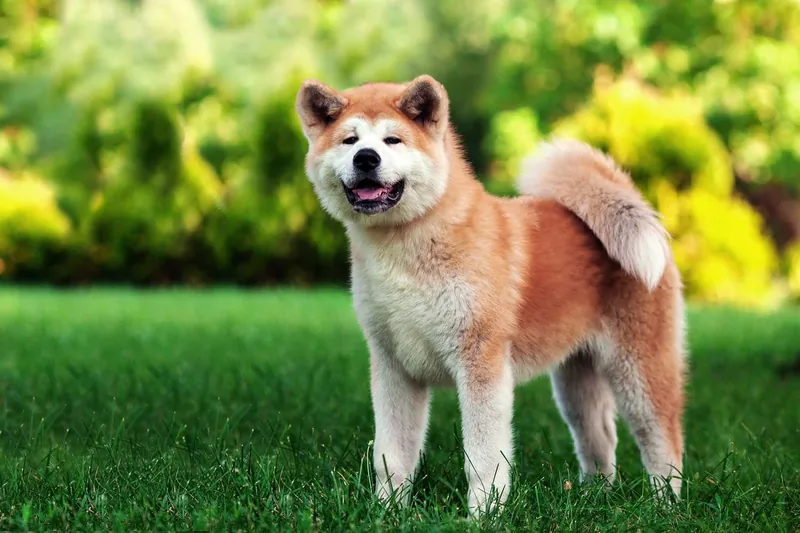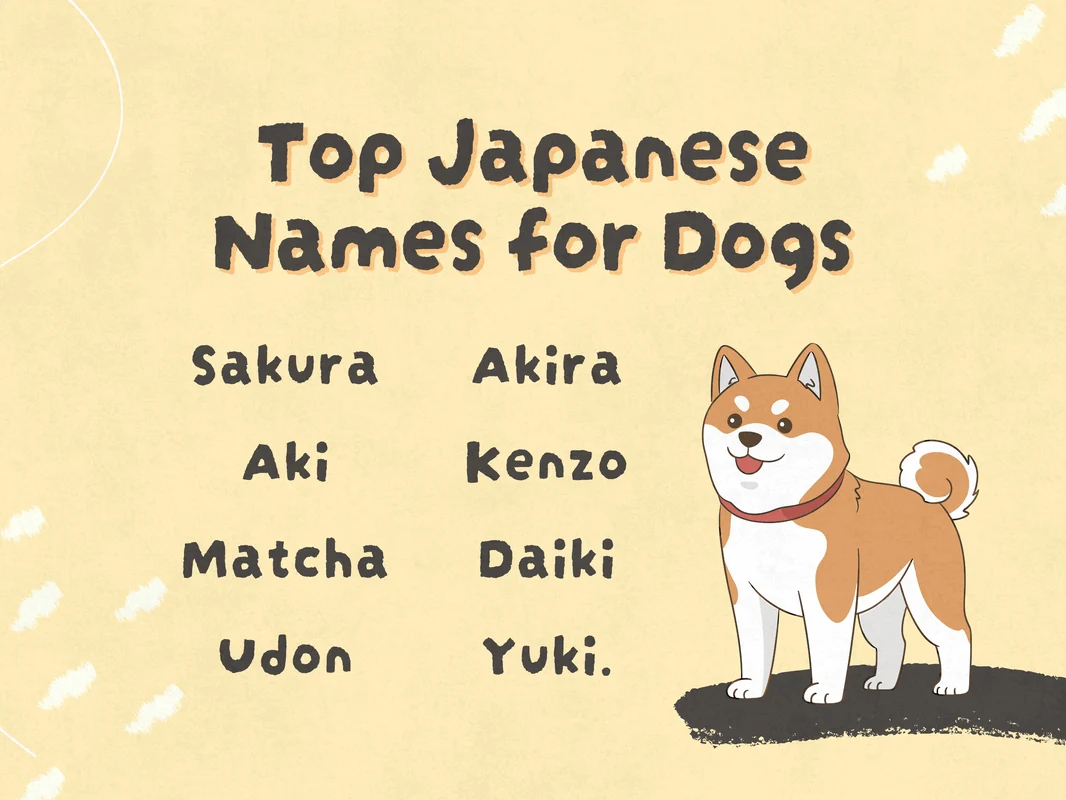
Japanese female dog names carry elegance, cultural richness, and often poetic meaning—making them ideal for owners seeking something distinctive beyond typical Western choices. These names draw from Japanese language, mythology, nature, and tradition, offering everything from delicate seasonal references to strong historical figures. Whether you prefer classic names like Sakura or modern picks like Yuki, Japanese names work beautifully across all breeds and capture the grace and personality many owners want to reflect in their female dogs. This list includes 50 real, searchable names actually used by dog owners, each with its authentic Japanese meaning and cultural context. Our top picks: Sakura, Yuki, Hana, Akira, Mika. Full list below, searchable and sortable.
The picks of the litter
Our Gaeilge teacher, a rescue trainer, and thirteen very good dogs weighed in. These five kept coming up.
-
01
SakuraCherry blossom; symbolizes spring, beauty, and renewal in Japanese culture.
-
02
YukiSnow; evokes purity, winter, and a cool, calm personality.
-
03
HanaFlower; represents blooming beauty and feminine grace.
-
04
AkiraBright, intelligent, and powerful; originally more common for males but used for females.
-
05
MikaBeautiful fragrance or first flower; carries grace and delicacy.
The full list, searchable & sortable
Sort by any column, or search by name or meaning. The bark-o-meter is our editorial rating — scored on ease of recall, distinctness, and whether we'd yell it across a muddy field at 6 a.m.
| Name ▾ | Tag | Meaning | Bark-o-meter |
|---|---|---|---|
| Sakura | very popular | Cherry blossom; symbolizes spring, beauty, and renewal in Japanese culture. | |
| Yuki | very popular | Snow; evokes purity, winter, and a cool, calm personality. | |
| Hana | popular | Flower; represents blooming beauty and feminine grace. | |
| Akira | moderate | Bright, intelligent, and powerful; originally more common for males but used for females. | |
| Mika | popular | Beautiful fragrance or first flower; carries grace and delicacy. | |
| Yara | rare | Gentle, elegant; often used in classical poetry and art. | |
| Kaida | rare | Small dragon; blends delicacy with power and spirit. | |
| Tomoe | rare | Comma shape; named after the yin-yang symbol in Japanese aesthetics. | |
| Aiko | moderate | Beloved child; expresses affection and cherished status. | |
| Yasha | rare | Night demon or celestial being; carries mystique and intrigue. | |
| Katsura | rare | Cinnamon tree; fragrant, warm, and grounding. | |
| Asako | rare | Morning child; brings dawn, freshness, and new beginnings. | |
| Chie | moderate | Wisdom or intellect; suggests intelligence and discernment. | |
| Fumiko | rare | Literary child; evokes scholarly grace and cultural refinement. | |
| Gina | moderate | Silver; shimmering, precious, and radiant. | |
| Hideo | rare | Excellent male child (typically); repurposed for strong female dogs. | |
| Ichiko | moderate | First daughter; conveys importance and primacy. | |
| Junko | moderate | Pure child; represents innocence and authenticity. | |
| Kazue | rare | Peace blessing or harmonious branch; tranquil and balanced. | |
| Kimiko | rare | Righteous child; carries virtue and moral strength. | |
| Lika | rare | Costly stone or treasure; precious and valuable. | |
| Mai | popular | Dance or ever; grace in motion, eternal energy. | |
| Mariko | moderate | Circle child; wholeness, completion, and harmony. | |
| Miho | rare | Beautiful sail; suggests movement, journey, and grace. | |
| Minako | moderate | Beautiful child; highlights delicate, charming qualities. | |
| Momoka | rare | Peach flower; sweet, gentle, and seasonal. | |
| Natsu | moderate | Summer; warm, vibrant, and full of energy. | |
| Nobuko | rare | Trusted child; reliability and dependability. | |
| Ren | moderate | Lotus or benevolence; purity emerging from mud. | |
| Reiko | moderate | Spirit child or graceful child; combines power with elegance. | |
| Sachiko | moderate | Happy child; joy, delight, and contentment. | |
| Sachie | rare | Blissful branch; happiness extending outward. | |
| Sanako | rare | True child or flower branch; authenticity and natural growth. | |
| Seiko | rare | Pure child or success child; clarity and achievement. | |
| Shiho | rare | Poetry treasure or poetry sail; artistic and flowing. | |
| Shione | rare | Salt sound; natural and grounding elements. | |
| Suzu | moderate | Bell or little bell; melodic and cheerful. | |
| Suzume | rare | Sparrow; small, agile, and spirited. | |
| Takako | rare | Filial child or tall child; respect and stature. | |
| Tami | rare | Wealth or abundance; prosperity and fullness. | |
| Tsubaki | rare | Camellia flower; resilience and enduring beauty. | |
| Umeko | rare | Plum blossom child; strength through delicate beauty. | |
| Usagi | moderate | Rabbit; swift, gentle, and alert. | |
| Wakaba | rare | Young leaf; fresh, new, and full of potential. | |
| Yamada | rare | Mountain field; natural, wild, and expansive. | |
| Yariko | rare | Gentle child; softness with quiet strength. | |
| Yuko | moderate | Gentle child or healing child; kindness and warmth. | |
| Yuri | popular | Lily; purity, rebirth, and spiritual beauty. | |
| Yurika | moderate | Lily fragrance; delicate beauty with sweetness. | |
| Yuzuki | rare | Gentle moon; serene, mystical, and graceful. |
Frequently asked questions
How do I pronounce Japanese female dog names?
Are Japanese female dog names suitable for all breeds?
What's the most popular female Japanese dog name?
Do I need to teach my dog to respond to a Japanese name?
What makes Japanese names special for female dogs?