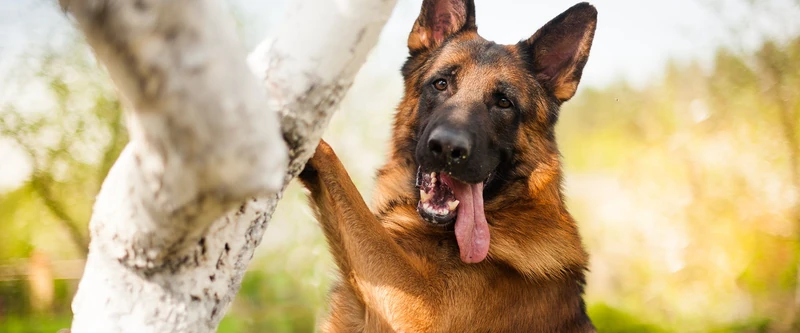
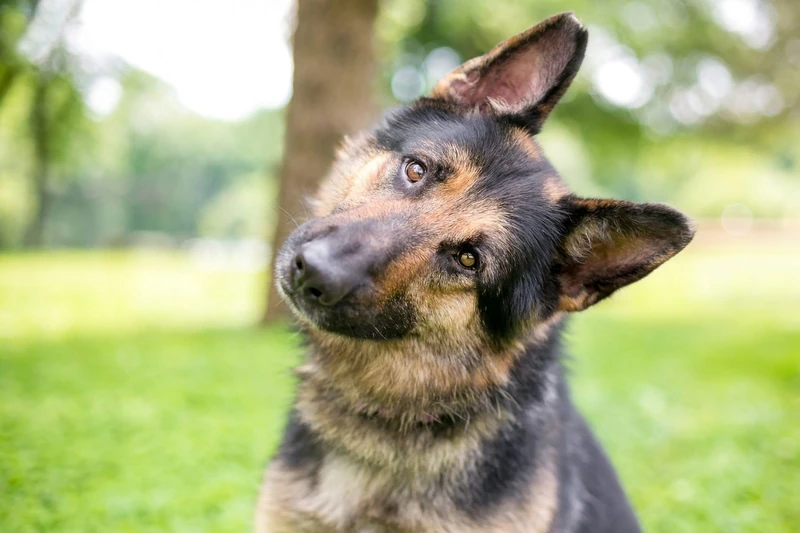
German Shepherds are intelligent, loyal, and commanding dogs that carry themselves with natural authority. Italian names complement their powerful presence while adding sophistication and cultural depth. Whether you prefer names rooted in Italian geography, history, or language, these selections range from classic to contemporary. Italian names work particularly well for GSDs because they sound authoritative yet warm—names like Marco and Lucia have the strength to match a German Shepherd's commanding nature while honoring Italian heritage. This list combines authentic Italian names that are easy to call out in training and genuinely used by GSD owners worldwide. Our top picks: Marco, Lucia, Bruno, Stella, Leonardo. Full list below, searchable and sortable.
The picks of the litter
Our Gaeilge teacher, a rescue trainer, and thirteen very good dogs weighed in. These five kept coming up.
-
01
MarcoItalian form of Mark, derived from Mars the Roman god of war; reflects strength and courage.
-
02
LuciaFrom the Latin 'lux' meaning light; represents clarity and brightness.
-
03
BrunoGermanic-Italian name meaning brown, often used for dogs with darker coloring.
-
04
StellaItalian for star; symbolizes brightness and guidance.
-
05
LeonardoItalian name meaning bold lion; conveys courage and majesty.
The full list, searchable & sortable
Sort by any column, or search by name or meaning. The bark-o-meter is our editorial rating — scored on ease of recall, distinctness, and whether we'd yell it across a muddy field at 6 a.m.
| Name ▾ | Tag | Meaning | Bark-o-meter |
|---|---|---|---|
| Marco | very popular | Italian form of Mark, derived from Mars the Roman god of war; reflects strength and courage. | |
| Lucia | classic | From the Latin 'lux' meaning light; represents clarity and brightness. | |
| Bruno | very popular | Germanic-Italian name meaning brown, often used for dogs with darker coloring. | |
| Stella | popular | Italian for star; symbolizes brightness and guidance. | |
| Leonardo | popular | Italian name meaning bold lion; conveys courage and majesty. | |
| Rosa | classic | Italian for rose; represents beauty, elegance, and grace. | |
| Diego | popular | Spanish-Italian form meaning beloved; carries warmth and affection. | |
| Giulia | popular | Italian feminine form of Julius, meaning youthful and energetic. | |
| Dante | popular | Italian name meaning enduring; associated with the famous poet Dante Alighieri. | |
| Sophia | very popular | Greek-Italian meaning wisdom; reflects intelligence and intuition. | |
| Enzo | trending | Italian diminutive of Henry, meaning ruler of the household. | |
| Mia | very popular | Italian diminutive meaning mine; conveys closeness and belonging. | |
| Lorenzo | popular | Italian form of Lawrence, meaning crowned with laurel; represents honor. | |
| Bella | very popular | Italian for beautiful; simple, direct, and universally appealing. | |
| Matteo | popular | Italian form of Matthew, meaning gift of God. | |
| Caterina | classic | Italian form of Catherine, meaning pure. | |
| Alessio | popular | Italian form of Alexius, meaning defender. | |
| Chiara | popular | Italian for clear or bright; symbolizes clarity and light. | |
| Fabio | moderate | Italian name meaning bean grower; associated with Italian heritage. | |
| Aurora | popular | Italian for dawn; symbolizes new beginnings and light. | |
| Vincenzo | moderate | Italian form of Vincent, meaning conquering. | |
| Giada | rare | Italian for jade; represents grace, beauty, and preciousness. | |
| Rocco | popular | Italian name meaning rest; conveys strength and reliability. | |
| Alessandra | popular | Italian feminine form of Alexander, meaning defender of men. | |
| Paolo | moderate | Italian form of Paul, meaning small. | |
| Livia | rare | Italian-Latin name meaning olive branch; symbolizes peace and wisdom. | |
| Riccardo | moderate | Italian form of Richard, meaning powerful ruler. | |
| Nicoletta | rare | Italian feminine form of Nicholas, meaning victory of the people. | |
| Cristiano | moderate | Italian form of Christian, meaning follower of Christ. | |
| Alessia | popular | Italian feminine form of Alexius, meaning defender. | |
| Stefano | moderate | Italian form of Stephen, meaning crown. | |
| Valentina | trending | Italian from Latin 'valens' meaning strong and powerful. | |
| Giuliano | moderate | Italian form of Julian, meaning youthful. | |
| Margherita | rare | Italian for daisy; symbolizes innocence and purity. | |
| Antonio | popular | Italian form of Anthony, meaning priceless. | |
| Francesca | popular | Italian feminine form of Francis, meaning free. | |
| Salvatore | moderate | Italian meaning savior or rescuer. | |
| Federica | rare | Italian feminine form of Frederick, meaning peaceful ruler. | |
| Claudio | moderate | Italian from Latin 'claudus' meaning limping or majestic. | |
| Vittoria | popular | Italian for victory; symbolizes triumph and success. | |
| Emilio | moderate | Italian form of Emile, meaning rival. | |
| Arabella | rare | Italian-Latin meaning yielding to prayer; elegant and refined. | |
| Leandro | moderate | Italian form of Leander, meaning lion-man. | |
| Serena | popular | Italian-Latin meaning serene or peaceful. | |
| Rinaldo | rare | Italian form of Reginald, meaning ruler's advisor. | |
| Isadora | rare | Italian-Greek meaning gift of Isis; mythological and elegant. | |
| Giancarlo | moderate | Italian combination of John and Charles, meaning gracious ruler. | |
| Violetta | rare | Italian for little violet; delicate and beautiful. | |
| Basilio | rare | Italian form of Basil, meaning royal. | |
| Adriana | popular | Italian feminine form of Adrian, meaning from Hadria. | |
| Leopoldo | rare | Italian form of Leopold, meaning bold people. |
Frequently asked questions
Do Italian names work well for German Shepherds?
What are the most popular Italian names for male German Shepherds?
Should I choose a formal or casual Italian name for my GSD?
Are there feminine Italian names that sound strong enough for a female German Shepherd?
How do I pronounce common Italian GSD names?