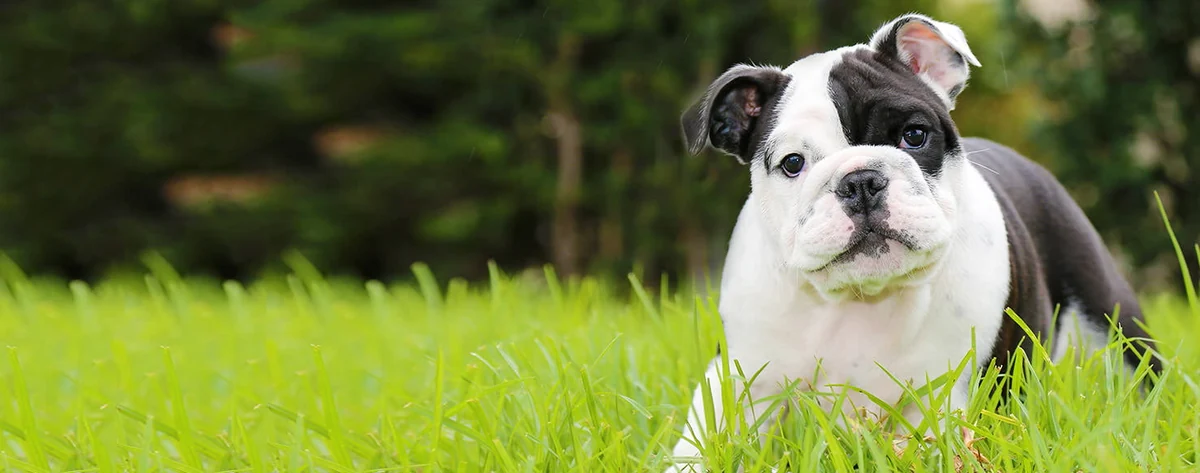
Japanese Bulldogs blend the sturdy, compact frame of English Bulldogs with Japanese naming sensibilities, making them ideal candidates for authentic Japanese names. These dogs—whether named after traditional culture, modern Japanese trends, or nature-inspired terms—deserve names that reflect their unique heritage and personality. Japanese names often carry deep meaning, whether drawn from samurai history, natural elements, or contemporary Japanese culture. This list focuses on names that resonate with the breed's dignified yet playful nature, providing options for both male and female Bulldogs that honor Japanese tradition while fitting their stocky, affectionate temperament. Our top picks: Hachi, Sakura, Kuma, Yuki, Taro. Full list below, searchable and sortable.
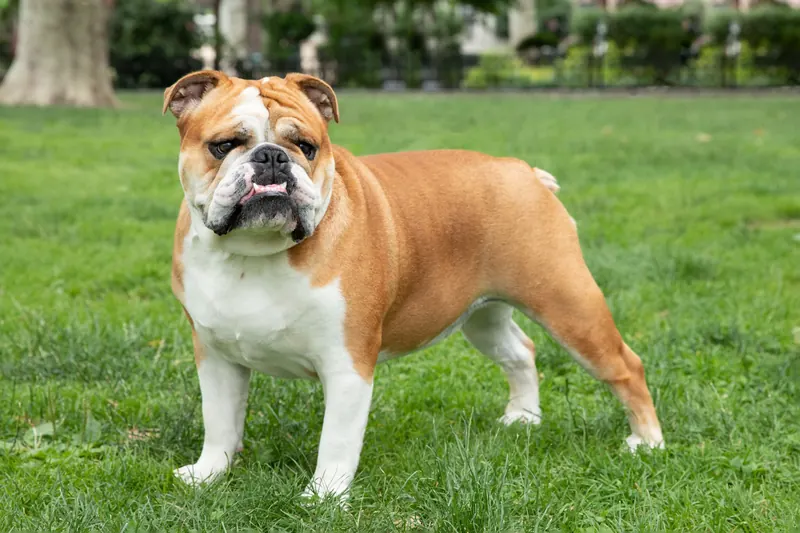
The picks of the litter
Our Gaeilge teacher, a rescue trainer, and thirteen very good dogs weighed in. These five kept coming up.
-
01
HachiThe number eight; famously associated with the loyal dog Hachiko, making it iconic for devoted Bulldogs.
-
02
SakuraCherry blossom, symbolizing beauty, renewal, and the fleeting nature of life in Japanese culture.
-
03
KumaBear in Japanese; fitting for a sturdy, muscular Bulldog with a gentle disposition.
-
04
YukiSnow; gentle name suggesting purity, coolness, and elegance.
-
05
TaroA common Japanese male name meaning first-born son; conveys strength and tradition.
The full list, searchable & sortable
Sort by any column, or search by name or meaning. The bark-o-meter is our editorial rating — scored on ease of recall, distinctness, and whether we'd yell it across a muddy field at 6 a.m.
| Name ▾ | Tag | Meaning | Bark-o-meter |
|---|---|---|---|
| Hachi | very popular | The number eight; famously associated with the loyal dog Hachiko, making it iconic for devoted Bulldogs. | |
| Sakura | very popular | Cherry blossom, symbolizing beauty, renewal, and the fleeting nature of life in Japanese culture. | |
| Kuma | popular | Bear in Japanese; fitting for a sturdy, muscular Bulldog with a gentle disposition. | |
| Yuki | popular | Snow; gentle name suggesting purity, coolness, and elegance. | |
| Taro | classic | A common Japanese male name meaning first-born son; conveys strength and tradition. | |
| Hanako | classic | Flower child; a traditional feminine Japanese name evoking beauty and grace. | |
| Ryu | popular | Dragon; represents strength, power, and wisdom in Japanese mythology. | |
| Akiko | classic | Bright child; a feminine name suggesting intelligence and cheerfulness. | |
| Daichi | popular | Great earth; symbolizes stability, groundedness, and natural strength. | |
| Yumi | classic | Archery bow; represents grace, precision, and traditional Japanese martial arts. | |
| Kaito | trending | Ocean flying; combines elements suggesting freedom and exploration. | |
| Midori | rare | Green; represents nature, growth, and vitality in Japanese. | |
| Shiro | popular | White; traditional name for white-furred dogs, with samurai connotations. | |
| Aiko | popular | Beloved child; expresses affection and cherished status. | |
| Noboru | rare | To ascend or climb; suggests ambition and upward motion. | |
| Hana | very popular | Flower; simple, beautiful feminine name celebrating natural beauty. | |
| Jiro | classic | Second son; traditional masculine name carrying familial significance. | |
| Tomoe | rare | Circle or jewel; inspired by female samurai warrior Tomoe Gozen. | |
| Katsuro | classic | Victory son; represents triumph and strong masculine presence. | |
| Chinami | rare | Thousand waves; poetic name evoking water and movement. | |
| Saburo | classic | Third son; completes the traditional first, second, third son naming pattern. | |
| Asahi | trending | Morning sun; represents new beginnings, hope, and radiance. | |
| Chiyoko | classic | Thousand generation child; suggests longevity and blessing. | |
| Isamu | popular | Courage or bravery; reflects strength and fearless spirit. | |
| Fumiko | rare | Literary child; suggests intelligence and intellectual grace. | |
| Masaru | popular | To win or overcome; conveys strength and perseverance. | |
| Emiko | popular | Smiling child; expresses joy, happiness, and gentle warmth. | |
| Hiroshi | classic | Generous; symbolizes kindness and magnanimous character. | |
| Sachiko | popular | Child of good luck; carries blessings and positive fortune. | |
| Katsu | popular | Victory; short masculine name carrying success and triumph. | |
| Hoshiko | rare | Child of the star; poetic, celestial feminine option. | |
| Takeshi | popular | Fierce warrior; masculine name with samurai strength. | |
| Izumi | popular | Spring or fountain; represents flowing water and renewal. | |
| Nobuyoshi | rare | Noble and good; reflects virtue and moral character. | |
| Akari | trending | Light or brightness; suggests illumination and clarity. | |
| Genji | rare | Most often associated with 'The Tale of Genji,' Japan's literary classic. | |
| Miyako | rare | City of beauty; references ancient Japanese capitals with grace. | |
| Jota | rare | Ten; traditionally used as shorthand or nickname in Japanese. | |
| Namiko | rare | Child of the waves; evokes oceanic beauty and fluidity. | |
| Tadao | classic | Loyal male; directly reflects faithfulness and dedication. | |
| Reiko | popular | Spirit child or thanks child; suggests gratitude and spiritual depth. | |
| Daisuke | popular | Great help or great assistance; conveys supportive nature. | |
| Katsuko | rare | Victory child; feminine form carrying strength and triumph. | |
| Yasuo | classic | Peaceful man; reflects calm, serene masculine presence. | |
| Noriko | classic | Lawful child; suggests virtue, propriety, and moral character. | |
| Minoru | rare | To bear fruit; symbolizes productivity, maturity, and fulfillment. | |
| Kyoko | popular | Mirror or cooperation; reflects clarity and partnership. | |
| Shoji | rare | Enlightenment or rising sun; carries spiritual and optimistic weight. | |
| Tomoka | rare | Wise fragrance or intelligent scent; poetic feminine blend. |
Frequently asked questions
What are the most popular Japanese Bulldog names?
Should I choose a traditional or modern Japanese name for my Bulldog?
Do Japanese Bulldog names have specific meanings I should know?
Are Japanese names easy for Bulldogs to recognize and respond to?
Can I use Japanese names for both male and female Bulldogs?