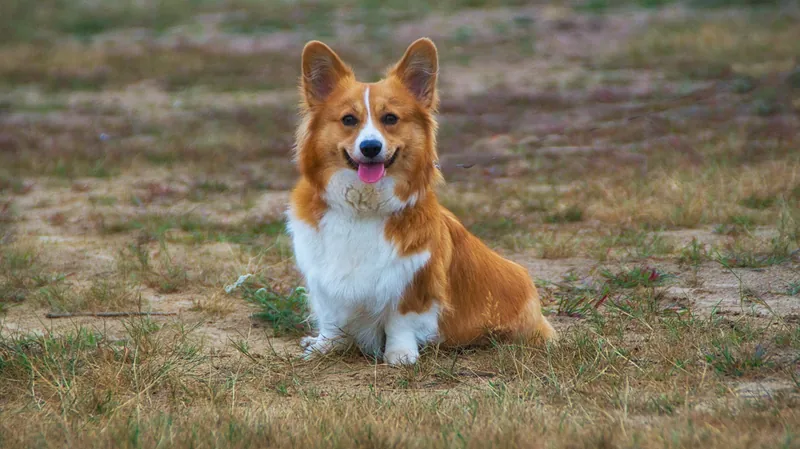
Corgis are beloved for their playful personalities and distinctive appearance, making them perfect candidates for names inspired by Japanese culture. Whether you're drawn to traditional Japanese naming conventions, anime-inspired monikers, or names reflecting Japan's natural beauty, there's a perfect fit for your Corgi. These names blend the warmth of Japanese language and customs with the spirited, fox-like charm of the breed. From classic names rooted in centuries of tradition to modern picks gaining popularity among dog owners, this list offers authentic options that honor both your Corgi's unique character and your appreciation for Japanese heritage. Our top picks: Hachiko, Sakura, Yuki, Mochi, Kenzo. Full list below, searchable and sortable.
The picks of the litter
Our Gaeilge teacher, a rescue trainer, and thirteen very good dogs weighed in. These five kept coming up.
-
01
HachikoFamous loyal dog from Japanese legend; means 'eight' and represents devotion and companionship.
-
02
SakuraCherry blossom in Japanese; symbolizes beauty, renewal, and the fleeting nature of life.
-
03
YukiSnow in Japanese; evokes purity, quietness, and the serene beauty of winter.
-
04
MochiJapanese rice cake; represents sweetness and softness, perfect for cuddly dogs.
-
05
KenzoGood and healthy in Japanese; combines kanji for 'good' and 'third son'.
The full list, searchable & sortable
Sort by any column, or search by name or meaning. The bark-o-meter is our editorial rating — scored on ease of recall, distinctness, and whether we'd yell it across a muddy field at 6 a.m.
| Name ▾ | Tag | Meaning | Bark-o-meter |
|---|---|---|---|
| Hachiko | very popular | Famous loyal dog from Japanese legend; means 'eight' and represents devotion and companionship. | |
| Sakura | very popular | Cherry blossom in Japanese; symbolizes beauty, renewal, and the fleeting nature of life. | |
| Yuki | popular | Snow in Japanese; evokes purity, quietness, and the serene beauty of winter. | |
| Mochi | very popular | Japanese rice cake; represents sweetness and softness, perfect for cuddly dogs. | |
| Kenzo | popular | Good and healthy in Japanese; combines kanji for 'good' and 'third son'. | |
| Asahi | trending | Morning sun in Japanese; represents brightness, hope, and new beginnings. | |
| Kaida | rare | Small dragon in Japanese; symbolizes strength, wisdom, and mythical protection. | |
| Hana | popular | Flower in Japanese; represents beauty, elegance, and natural grace. | |
| Sora | popular | Sky in Japanese; evokes freedom, vastness, and boundless possibilities. | |
| Kitsune | trending | Fox in Japanese; references the mythical shape-shifting fox of Japanese folklore. | |
| Tamaki | rare | Jewel or precious in Japanese; denotes value and rarity. | |
| Riku | trending | Land or continent in Japanese; represents solid, grounded strength. | |
| Daichi | popular | Great earth or big land in Japanese; suggests stability and grounding. | |
| Aiko | popular | Beloved child in Japanese; expresses affection and cherished status. | |
| Ramen | trending | Japanese noodle dish; playful food-inspired name. | |
| Kasumi | rare | Mist or haze in Japanese; represents mystery and ethereal beauty. | |
| Taro | classic | First son in Japanese; represents primacy and importance. | |
| Yumi | rare | Bow or archery in Japanese; symbolizes grace and precision. | |
| Ren | trending | Lotus in Japanese; represents purity and enlightenment in Buddhist tradition. | |
| Yoko | classic | Good child or child of abundance in Japanese; denotes positivity. | |
| Katsu | popular | Victory in Japanese; represents triumph and success. | |
| Hoshi | popular | Star in Japanese; symbolizes guidance, hope, and brilliance. | |
| Akiko | rare | Autumn child in Japanese; represents maturity and natural beauty. | |
| Jiro | classic | Second son in Japanese; represents continuity and harmony. | |
| Naomi | popular | Pleasantness or sweetness in Japanese; conveys joy and charm. | |
| Suki | popular | Like or favorite in Japanese; expresses affection and preference. | |
| Noboru | rare | To ascend or climb in Japanese; represents ambition and growth. | |
| Emiko | rare | Smiling child in Japanese; represents happiness and warmth. | |
| Koji | popular | Happiness or light in Japanese; conveys positivity. | |
| Ainu | rare | Human in the Ainu language; references Japan's indigenous people. | |
| Kaito | trending | Ocean flying or free ocean in Japanese; suggests freedom and adventure. | |
| Tomoe | rare | Circle or jewel in Japanese; represents wholeness and perfection. | |
| Isamu | rare | Courage in Japanese; represents bravery and determination. | |
| Yuri | popular | Lily in Japanese; symbolizes purity, grace, and elegance. | |
| Chie | rare | Wisdom or knowledge in Japanese; conveys intelligence. | |
| Takeshi | classic | Warrior or fierce in Japanese; represents strength and power. | |
| Minori | rare | Truth or harvest in Japanese; denotes authenticity and abundance. | |
| Goro | classic | Fifth son in Japanese; represents completeness. | |
| Ayumi | rare | Walk or progress in Japanese; represents movement and advancement. | |
| Shinji | popular | True compassion in Japanese; represents genuine kindness. | |
| Katsura | rare | Camphor tree in Japanese; references a traditional sacred tree. | |
| Momoka | trending | Peach in Japanese; represents sweetness and delicate beauty. | |
| Kyozo | rare | Cooperative or helpful in Japanese; denotes teamwork. | |
| Sachiko | rare | Child of fortune or joy in Japanese; expresses happiness. | |
| Nobuyuki | classic | Trusting and peaceful in Japanese; represents harmony. | |
| Ume | popular | Plum in Japanese; symbolizes resilience and winter beauty. | |
| Isao | rare | Merit or achievement in Japanese; represents accomplishment. | |
| Tomoyo | rare | Knowing friend in Japanese; represents friendship and understanding. | |
| Taiji | rare | Great peace or tai chi philosophy in Japanese; represents balance. |
Frequently asked questions
Are Japanese names suitable for Corgis?
What's the difference between traditional and modern Japanese dog names?
How do I pronounce Japanese Corgi names correctly?
Will a Japanese name confuse my Corgi during training?
Can I use a Japanese name if I'm not Japanese?