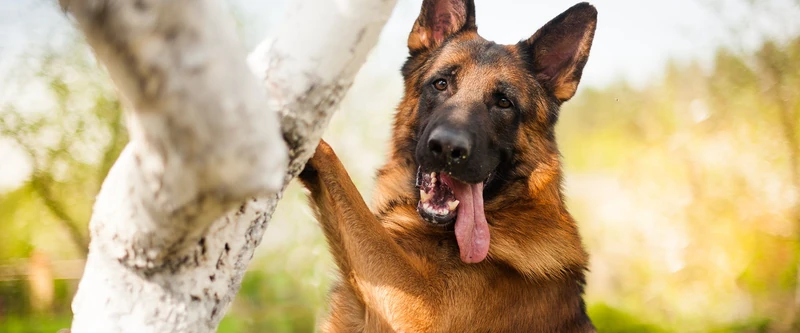
German Shepherds are intelligent, loyal, and commanding dogs that deserve names reflecting their strength and dignity. Japanese names offer a sophisticated alternative to common English choices, bringing cultural depth and unique sounds to your GSD's identity. Whether you're drawn to Japanese heritage, admire the language's phonetic beauty, or want a name that stands out at the dog park, Japanese-origin names work particularly well for German Shepherds' alert, noble bearing. This list includes traditional Japanese names, modern Japanese appellations, and names with Japanese cultural significance—all suited to GSDs of any gender. Our top picks: Akira, Hideo, Kaito, Riku, Takeshi. Full list below, searchable and sortable.
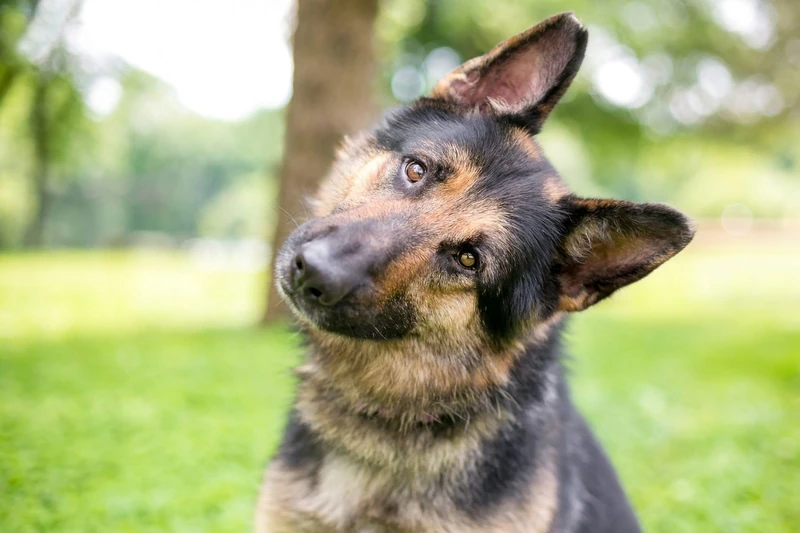
The picks of the litter
Our Gaeilge teacher, a rescue trainer, and thirteen very good dogs weighed in. These five kept coming up.
-
01
AkiraBright, clear; a unisex name suggesting intelligence and alertness.
-
02
HideoExcellent male; combines 'hide' (excellent) with 'o' (male).
-
03
KaitoOcean person; suggests vastness and depth of character.
-
04
RikuLand; evokes grounding, stability, and protective nature.
-
05
TakeshiWarrior, fierce; traditionally a samurai-associated name.
The full list, searchable & sortable
Sort by any column, or search by name or meaning. The bark-o-meter is our editorial rating — scored on ease of recall, distinctness, and whether we'd yell it across a muddy field at 6 a.m.
| Name ▾ | Tag | Meaning | Bark-o-meter |
|---|---|---|---|
| Akira | very popular | Bright, clear; a unisex name suggesting intelligence and alertness. | |
| Hideo | classic | Excellent male; combines 'hide' (excellent) with 'o' (male). | |
| Kaito | trending | Ocean person; suggests vastness and depth of character. | |
| Riku | popular | Land; evokes grounding, stability, and protective nature. | |
| Takeshi | classic | Warrior, fierce; traditionally a samurai-associated name. | |
| Yoshi | popular | Righteous, good; can also mean bamboo. | |
| Daichi | classic | Great first son; represents strength and pride. | |
| Kenzo | trending | Healthy, strong; implies robust constitution. | |
| Noboru | rare | To climb, ascend; suggests ambition and achievement. | |
| Senshi | popular | Warrior; directly translates combat readiness. | |
| Taro | classic | First son; traditional, heritage-rich name. | |
| Haruto | trending | Sun person; implies warmth and brightness. | |
| Jiro | classic | Second son; carries traditional naming convention. | |
| Masaru | popular | Victory, win; evokes triumph and success. | |
| Katsu | popular | Victory; short form suggesting determined nature. | |
| Saburo | rare | Third son; traditional patronymic structure. | |
| Hikaru | trending | Shining, radiant; suggests brilliance. | |
| Isamu | classic | Courageous, brave; warrior spirit. | |
| Sora | trending | Sky; evokes freedom and expansiveness. | |
| Genji | rare | Mysterious, occult; from classic Japanese literature. | |
| Katsuro | rare | Victory son; combines strength with lineage. | |
| Daito | rare | Great sword; implies noble weapon. | |
| Yuki | popular | Snow; cool, calm, serene presence. | |
| Nobu | trending | Extend, grow; implies strength building. | |
| Satoshi | trending | Wise, fast; suggests intelligence. | |
| Minoru | rare | Produce, bear fruit; implies accomplishment. | |
| Tadao | rare | Loyal; directly reflects desired trait. | |
| Fujio | rare | Prosperity; wisteria combined with male designation. | |
| Namikaze | trending | Wave wind; dynamic, flowing energy. | |
| Ranmaru | rare | Orchid circle; beautiful yet structured. | |
| Tadashi | classic | Loyal, correct; emphasizes dependability. | |
| Katsumi | popular | Victory beauty; balanced strength and grace. | |
| Susumu | rare | Advance, progress; forward-moving energy. | |
| Tetsu | popular | Iron; implies strength and durability. | |
| Yukio | classic | Snow man; cool, composed presence. | |
| Shintaro | rare | True great son; authentic excellence. | |
| Makoto | popular | Sincerity, truth; honest, straightforward nature. | |
| Goro | classic | Fifth son; traditional numerical designation. | |
| Yasuo | rare | Peaceful man; calm strength. | |
| Seito | rare | Pure, righteous person; virtue-focused. | |
| Tetsuo | popular | Iron man; unbreakable strength. | |
| Shinichi | classic | True first son; authentic excellence. | |
| Raiden | trending | Thunder legend; powerful natural force. | |
| Takuro | rare | Warrior son; battle lineage. |
Frequently asked questions
Are Japanese names good for German Shepherds?
Do German Shepherds respond better to certain Japanese name sounds?
What if my GSD is female—should I choose different Japanese names?
How do I pronounce these Japanese names correctly?
Will people understand my GSD's Japanese name?