
Labradors are loyal, energetic companions that deserve names reflecting their spirited nature. Japanese names offer a unique blend of beauty, meaning, and cultural depth—ideal for Labs known for their intelligence and devotion. Whether you prefer traditional names rooted in Japanese heritage, names meaning strength or loyalty, or modern adaptations of classic terms, this collection spans 50 authentic options. These names work beautifully for both male and female Labs and carry genuine significance in Japanese language and culture. Choosing a Japanese name celebrates your dog's role as a cherished family member while honoring a rich naming tradition. Our top picks: Akira, Yuki, Haru, Daichi, Sakura. Full list below, searchable and sortable.
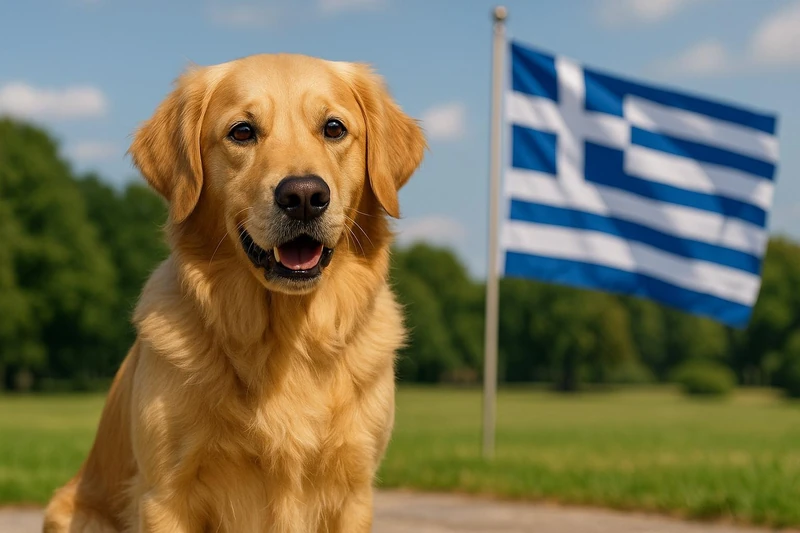
The picks of the litter
Our Gaeilge teacher, a rescue trainer, and thirteen very good dogs weighed in. These five kept coming up.
-
01
AkiraMeans 'bright' or 'clear' in Japanese; conveys intelligence and clarity.
-
02
YukiMeans 'snow' in Japanese; evokes purity and coolness.
-
03
HaruMeans 'spring' in Japanese; represents renewal and growth.
-
04
DaichiMeans 'great earth' or 'big soil' in Japanese; suggests stability and grounding.
-
05
SakuraMeans 'cherry blossom' in Japanese; represents beauty and elegance.
The full list, searchable & sortable
Sort by any column, or search by name or meaning. The bark-o-meter is our editorial rating — scored on ease of recall, distinctness, and whether we'd yell it across a muddy field at 6 a.m.
| Name ▾ | Tag | Meaning | Bark-o-meter |
|---|---|---|---|
| Akira | very popular | Means 'bright' or 'clear' in Japanese; conveys intelligence and clarity. | |
| Yuki | popular | Means 'snow' in Japanese; evokes purity and coolness. | |
| Haru | moderately popular | Means 'spring' in Japanese; represents renewal and growth. | |
| Daichi | rare | Means 'great earth' or 'big soil' in Japanese; suggests stability and grounding. | |
| Sakura | very popular | Means 'cherry blossom' in Japanese; represents beauty and elegance. | |
| Taro | classic | Means 'big son' or 'first-born son' in Japanese; carries strong masculine energy. | |
| Hana | very popular | Means 'flower' in Japanese; conveys delicate beauty and gentleness. | |
| Koto | rare | Means 'sound' or 'voice' in Japanese; references the traditional Japanese stringed instrument. | |
| Yama | moderately popular | Means 'mountain' in Japanese; suggests strength and permanence. | |
| Chie | rare | Means 'wisdom' or 'knowledge' in Japanese; reflects intelligence. | |
| Noboru | rare | Means 'to ascend' or 'to rise' in Japanese; suggests achievement and growth. | |
| Umi | moderately popular | Means 'ocean' in Japanese; evokes vastness and depth. | |
| Koji | moderately popular | Means 'fragrant path' or 'small second son' in Japanese; carries gentle strength. | |
| Natsu | moderately popular | Means 'summer' in Japanese; represents warmth and energy. | |
| Riku | popular | Means 'land' or 'earth' in Japanese; suggests groundedness and stability. | |
| Yori | rare | Means 'reliable' or 'trustworthy' in Japanese; reflects loyalty. | |
| Fumiko | rare | Means 'child of abundant culture' in Japanese; conveys richness and depth. | |
| Kaito | popular | Means 'ocean' and 'flying' in Japanese; combines freedom with fluidity. | |
| Midori | moderately popular | Means 'green' in Japanese; represents nature and vitality. | |
| Isamu | rare | Means 'courage' or 'bravery' in Japanese; reflects fearlessness. | |
| Aiko | popular | Means 'beloved child' in Japanese; conveys affection and cherishment. | |
| Takeshi | rare | Means 'warrior' or 'military man' in Japanese; suggests strength and discipline. | |
| Yume | moderately popular | Means 'dream' in Japanese; represents hope and aspiration. | |
| Shiro | classic | Means 'white' in Japanese; denotes purity and clarity. | |
| Ayumi | rare | Means 'step' or 'progress' in Japanese; symbolizes forward movement. | |
| Katsuro | rare | Means 'victorious male' in Japanese; conveys winning spirit. | |
| Chiyoko | rare | Means 'thousand generations' in Japanese; suggests timelessness and legacy. | |
| Tatsuo | rare | Means 'dragon man' in Japanese; carries powerful mythological meaning. | |
| Reiko | moderately popular | Means 'spirited child' or 'lovely child' in Japanese; reflects liveliness. | |
| Jiro | classic | Means 'second son' in Japanese; traditional naming convention. | |
| Emiko | moderately popular | Means 'child of smile' or 'blessed child' in Japanese; conveys happiness. | |
| Masao | rare | Means 'righteous' or 'correct man' in Japanese; suggests integrity. | |
| Mizuki | popular | Means 'beautiful moon' in Japanese; conveys ethereal elegance. | |
| Hisao | rare | Means 'long-living man' or 'eternal man' in Japanese; suggests longevity. | |
| Sachiko | moderately popular | Means 'happy child' in Japanese; radiates joy and contentment. | |
| Katsu | moderately popular | Means 'victory' in Japanese; conveys winning and success. | |
| Tomoe | rare | Means 'protective friend' in Japanese; honors companionship. | |
| Shinji | rare | Means 'true' or 'genuine' in Japanese; reflects authenticity. | |
| Kumiko | rare | Means 'forever beautiful child' or 'companion child' in Japanese. | |
| Rokuro | rare | Means 'sixth son' in Japanese; traditional naming convention. | |
| Akane | moderately popular | Means 'red' or 'deep red' in Japanese; evokes warmth and passion. | |
| Daisuke | moderately popular | Means 'great help' or 'great assistance' in Japanese; reflects support. | |
| Yuriko | rare | Means 'child of the lily' in Japanese; conveys grace and delicacy. | |
| Seisuke | rare | Means 'sincere help' in Japanese; combines honesty with support. | |
| Chizuko | rare | Means 'child of a thousand cranes' in Japanese; symbolizes longevity. | |
| Goro | classic | Means 'fifth son' in Japanese; traditional male naming convention. | |
| Noriko | rare | Means 'child of rules' or 'lawful child' in Japanese; suggests obedience. | |
| Ichiro | classic | Means 'first son' in Japanese; suggests leadership and precedence. |
Frequently asked questions
Are Japanese names suitable for all Labrador colors?
How do I pronounce Japanese names for my Labrador?
Do Japanese names work better for male or female Labradors?
What Japanese names mean loyalty for Labradors?
Are these authentic Japanese names or modern creations?