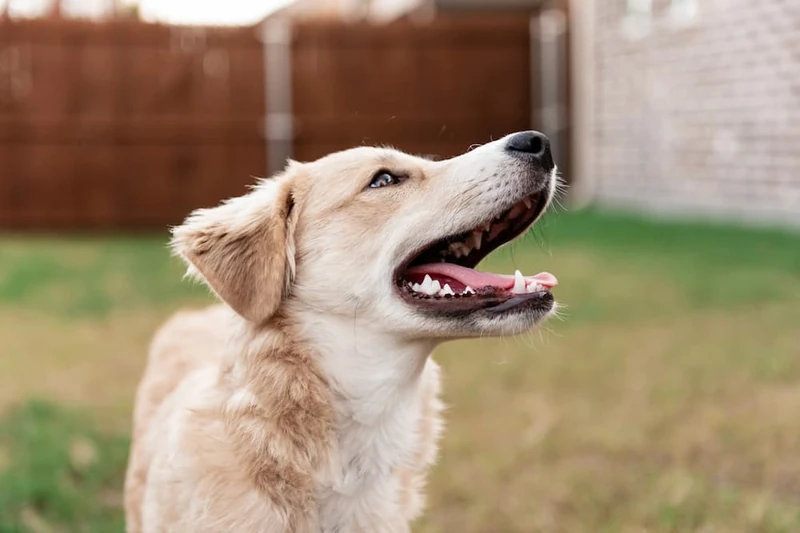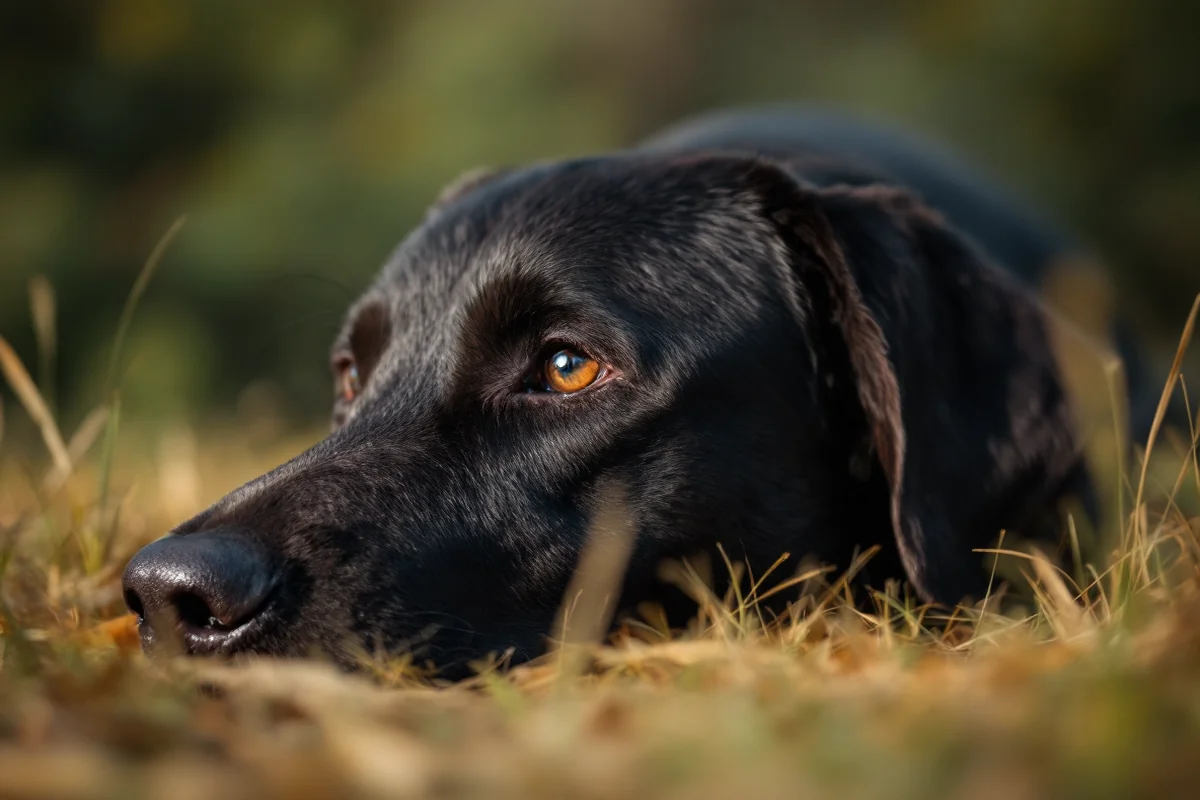
Female Labradors are intelligent, loyal, and athletic—they deserve names that capture their spirited personalities without defaulting to overused classics. Unique names work especially well for Labs because they're often recognized in parks, training classes, and vet offices where common names like Daisy or Lucy blend in. Whether you prefer vintage charm, nature-inspired handles, or modern spins on traditional names, this list focuses on distinctive options that suit the breed's friendly yet confident nature while still being practical to call across a field. Our top picks: Indigo, Zephyr, Lyra, Nova, Sable. Full list below, searchable and sortable.
The picks of the litter
Our Gaeilge teacher, a rescue trainer, and thirteen very good dogs weighed in. These five kept coming up.
-
01
IndigoDeep blue-purple color; evokes mystery and intelligence.
-
02
ZephyrGreek goddess of the west wind; represents grace and speed.
-
03
LyraBrightest star in the Lyra constellation; symbol of light.
-
04
NovaLatin for 'new star'; represents brightness and emergence.
-
05
SableFine black fur; also a color term for dark pelts.
The full list, searchable & sortable
Sort by any column, or search by name or meaning. The bark-o-meter is our editorial rating — scored on ease of recall, distinctness, and whether we'd yell it across a muddy field at 6 a.m.
| Name ▾ | Tag | Meaning | Bark-o-meter |
|---|---|---|---|
| Indigo | Trending | Deep blue-purple color; evokes mystery and intelligence. | |
| Zephyr | Rare | Greek goddess of the west wind; represents grace and speed. | |
| Lyra | Trending | Brightest star in the Lyra constellation; symbol of light. | |
| Nova | Trending | Latin for 'new star'; represents brightness and emergence. | |
| Sable | Uncommon | Fine black fur; also a color term for dark pelts. | |
| Freya | Moderately popular | Norse goddess of love and fertility; represents strength. | |
| Sage | Trending | Wise person; also an aromatic herb with healing properties. | |
| Ember | Trending | Glowing piece of coal; represents warmth and energy. | |
| Vesper | Rare | Evening star; Latin term for twilight hour. | |
| Asha | Uncommon | Sanskrit for 'hope'; represents optimism and faith. | |
| Raven | Moderately popular | Black bird; symbol of intelligence and mystery. | |
| Nala | Moderately popular | Swahili for 'successful'; from The Lion King. | |
| Quinn | Uncommon | Irish for 'wise descendant'; also means 'fifth.' | |
| Solstice | Rare | Turning point of the sun's year; represents balance. | |
| Pia | Rare | Latin for 'pious'; Italian for 'plus' (more). | |
| Artemis | Uncommon | Greek goddess of the hunt; represents independence. | |
| Cleo | Moderately popular | Greek for 'glory'; short for Cleopatra. | |
| Mabel | Trending | Latin for 'lovable'; vintage name gaining modern appeal. | |
| Scout | Moderately popular | Person sent to gather information; represents exploration. | |
| Iris | Moderately popular | Greek goddess of the rainbow; flower name. | |
| Elsie | Trending | Scottish short form of Elizabeth; means 'pledged to God.' | |
| Sienna | Moderately popular | Reddish-brown earth pigment; warm color reference. | |
| Akira | Uncommon | Japanese for 'intelligent' and 'bright.' | |
| Thea | Rare | Greek for 'goddess'; divine connotation. | |
| Windy | Uncommon | Characterized by wind; suggests movement and energy. | |
| Magda | Rare | Short for Magdalene; means 'of Magdala.' | |
| Coral | Uncommon | Marine organism; warm orange-pink color reference. | |
| Enza | Rare | Italian diminutive often short for names like Essenza. | |
| Mira | Uncommon | Sanskrit for 'admirable'; also means 'wonder' in Latin. | |
| Hazel | Moderately popular | Hazelnut tree; warm brown color reference. | |
| Vale | Rare | Poetic term for valley; represents natural beauty. | |
| Petra | Uncommon | Greek for 'rock'; represents strength and stability. | |
| Daphne | Uncommon | Greek nymph; also a flowering shrub. | |
| Lumi | Rare | Finnish for 'snow'; represents purity. | |
| Naomi | Trending | Hebrew for 'pleasantness'; sweet connotation. | |
| Opal | Moderately popular | Gemstone with iridescent qualities; represents hope. | |
| Tala | Rare | Samoan for 'star'; represents light and guidance. | |
| Vera | Uncommon | Russian for 'faith'; Latin for 'truth.' | |
| Faye | Uncommon | Old English for 'fairy'; represents magic. | |
| Kaya | Uncommon | Japanese for 'good fortune'; also kayak reference. | |
| Olive | Trending | Olive tree; symbol of peace and wisdom. | |
| Zara | Moderately popular | Arabic for 'blooming flower'; also 'princess.' | |
| Celeste | Uncommon | Latin for 'heavenly'; celestial connotation. | |
| Liza | Uncommon | Short form of Elizabeth; means 'pledged to God.' | |
| Nyx | Rare | Greek goddess of night; represents mystery. | |
| Paloma | Uncommon | Spanish for 'dove'; symbol of peace. | |
| Runa | Rare | Scandinavian for 'secret'; rune reference. | |
| Senna | Uncommon | Plant used in herbal medicine; Egyptian river. | |
| Zinnia | Uncommon | Flowering plant; vibrant, colorful bloom. |
Frequently asked questions
What makes a name 'unique' for a female Labrador?
Do unique names work well with Lab training?
Should I choose a name based on my Lab's coat color?
Are vintage names better for Labradors than modern ones?
What should I avoid when naming a female Labrador?