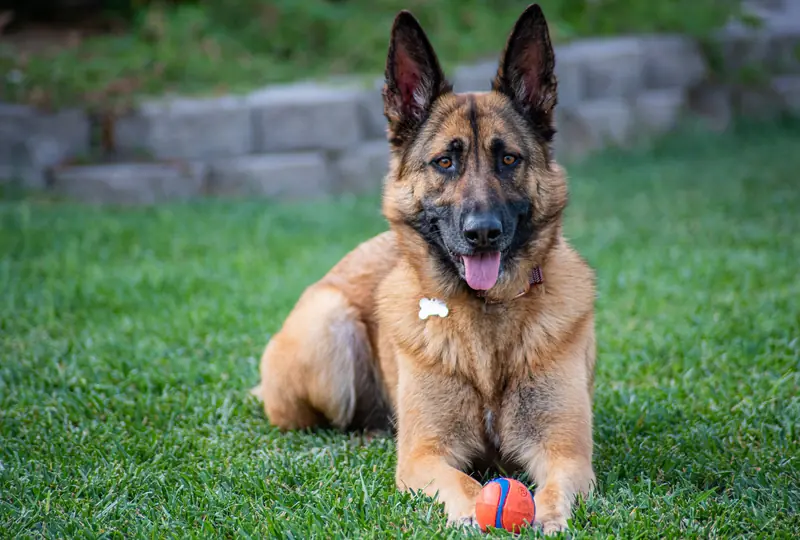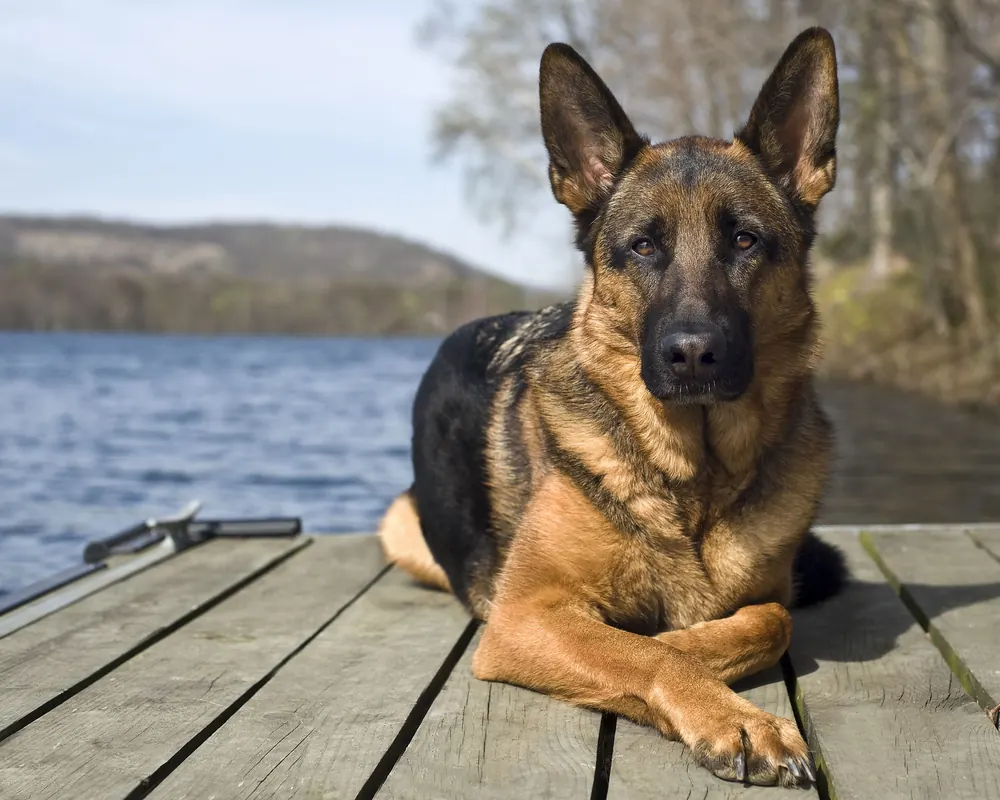
German dog names work beautifully for any gender, reflecting the language's strong, clear phonetics and rich cultural heritage. These names carry the weight of German tradition—whether drawn from geography, history, or the language itself—while remaining perfectly suited to male, female, or ambiguous-looking dogs. German unisex names tend to sound authoritative yet warm, making them popular across all breeds. Many work equally well for a delicate Dachshund or a powerful German Shepherd, giving owners flexibility without sacrificing character. This list focuses on names that don't signal gender but sound distinctly German. Our top picks: Axel, Bailey, Blitz, Bruno, Cash. Full list below, searchable and sortable.
The picks of the litter
Our Gaeilge teacher, a rescue trainer, and thirteen very good dogs weighed in. These five kept coming up.
-
01
AxelFather of peace; strong Germanic name with Nordic roots.
-
02
BaileySteward or official; English origin but widely used in Germany.
-
03
BlitzLightning in German; fast, energetic, and sharp-sounding.
-
04
BrunoBrown; Italian-German hybrid name meaning strong and sturdy.
-
05
CashWealthy or prosperous; modern English name adopted in German culture.
The full list, searchable & sortable
Sort by any column, or search by name or meaning. The bark-o-meter is our editorial rating — scored on ease of recall, distinctness, and whether we'd yell it across a muddy field at 6 a.m.
| Name ▾ | Tag | Meaning | Bark-o-meter |
|---|---|---|---|
| Axel | Very popular | Father of peace; strong Germanic name with Nordic roots. | |
| Bailey | Very popular | Steward or official; English origin but widely used in Germany. | |
| Blitz | Popular | Lightning in German; fast, energetic, and sharp-sounding. | |
| Bruno | Very popular | Brown; Italian-German hybrid name meaning strong and sturdy. | |
| Cash | Popular | Wealthy or prosperous; modern English name adopted in German culture. | |
| Diesel | Popular | Strong fuel; implies power and reliability. | |
| Echo | Moderate | Reflected sound; German use borrows from Greek mythology. | |
| Feuer | Rare | Fire in German; represents passion and energy. | |
| Fritz | Classic | Peaceful ruler; classic German diminutive of Friedrich. | |
| Grayson | Trending | Son of the gray-haired man; English-German fusion. | |
| Gunner | Popular | Bold warrior; from Germanic military tradition. | |
| Hans | Classic | God's gracious gift; quintessential German given name. | |
| Hunter | Popular | One who hunts; practical Germanic job title. | |
| Justice | Moderate | Fairness and rightness; virtuous name with German appeal. | |
| Kaiser | Popular | Emperor; from German nobility and power. | |
| Kira | Popular | Leader or beloved; Russian-German crossover name. | |
| Klaus | Rare | Victory of the people; German variant of Nicholas. | |
| Laser | Moderate | Light amplified by stimulated emission; modern, technological. | |
| Levi | Trending | Joined or attached; Hebrew-Germanic crossover. | |
| Lex | Popular | Defender of men; short Germanic form of Alexander. | |
| Logan | Popular | Small hollow; Scottish-Germanic adoption. | |
| Mika | Trending | God's gift or fragrance; Japanese-German fusion. | |
| Misty | Moderate | Unclear or obscured; evokes German fog and mist. | |
| Niko | Popular | Victorious; Greek-German short form of Nikolaus. | |
| Otto | Trending | Wealthy or prosperous; classic German given name. | |
| Parker | Popular | Keeper of the park; English-Germanic practical name. | |
| Riley | Very popular | Courageous or rye field; Irish-German fusion. | |
| Robin | Moderate | Bright fame; bird-inspired Germanic name. | |
| Rolf | Classic | Famous wolf; classic Germanic compound name. | |
| Rowan | Trending | Red-haired or rowan tree; Scottish-Germanic hybrid. | |
| Rusty | Popular | Reddish-brown; color-based, fits rust-colored coats. | |
| Sable | Moderate | Black or dark-colored; refers to coat color. | |
| Sage | Moderate | Wise one; herb-inspired, virtuous name. | |
| Sam | Very popular | Heard by God; Hebrew-Germanic crossover. | |
| Smokey | Popular | Gray or smoke-colored; refers to coat color. | |
| Styx | Rare | River of the dead in mythology; mysterious and strong. | |
| Taiga | Rare | Forest biome; Russian-German nature reference. | |
| Taz | Moderate | Energetic or spirited; short, punchy form. | |
| Thor | Popular | Thunder; Norse-Germanic god of strength. | |
| Timber | Popular | Wood or forest; nature-inspired, sturdy. | |
| Tristan | Moderate | Tumultuous or sad; Celtic-Germanic literary name. | |
| Tucker | Popular | Fabric maker or fuller; Germanic occupational name. | |
| Vale | Rare | Valley; geographical, nature-inspired. | |
| Vesper | Rare | Evening star; Latin-Germanic twilight reference. | |
| Viktor | Popular | Conqueror or victor; strong Germanic name. | |
| Walker | Moderate | One who walks or travels; practical Germanic name. | |
| Waldo | Classic | Ruler of the domain; classic German given name. | |
| Wolf | Popular | Wolf; direct Germanic animal name. | |
| Yarrow | Rare | Plant used in herbal medicine; botanical reference. | |
| Zen | Trending | Peaceful meditation; borrowed from Eastern philosophy, used in German. |
Frequently asked questions
What makes a dog name 'unisex' in German culture?
Are German dog names better for specific breeds?
How do I pronounce traditional German dog names?
Which unisex German dog names are trending right now?
Can I use a pure German word as a dog name?