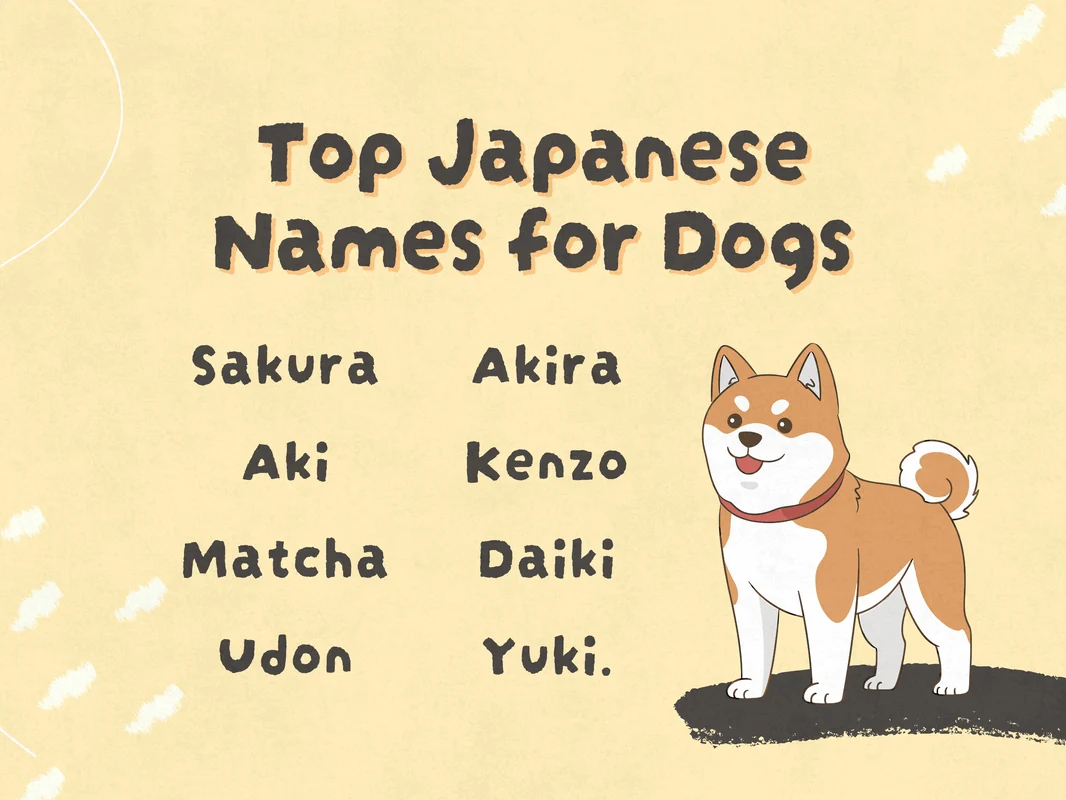
Japanese dog names work beautifully across gender lines, drawing from a language where many names naturally suit any dog. These unisex options carry deep cultural meaning—from seasonal references like Haru (spring) to personality traits like Akira (bright)—making them memorable and meaningful. Whether you're naming a male, female, or you prefer gender-neutral identity, Japanese names offer elegant phonetics, short syllables that dogs respond to well, and a timeless quality that outlasts trendy alternatives. Popular with owners seeking something distinctive beyond Western names. Our top picks: Akira, Haru, Yuki, Taro, Sakura. Full list below, searchable and sortable.
The picks of the litter
Our Gaeilge teacher, a rescue trainer, and thirteen very good dogs weighed in. These five kept coming up.
-
01
AkiraMeans 'bright' or 'clear'—conveys intelligence and clarity.
-
02
HaruMeans 'spring'—represents renewal, growth, and fresh energy.
-
03
YukiMeans 'snow'—evokes purity, quietness, and grace.
-
04
TaroMeans 'big son' or 'first male'—though used unisex in modern naming.
-
05
SakuraMeans 'cherry blossom'—symbolizes beauty, gentleness, and transience.
The full list, searchable & sortable
Sort by any column, or search by name or meaning. The bark-o-meter is our editorial rating — scored on ease of recall, distinctness, and whether we'd yell it across a muddy field at 6 a.m.
| Name ▾ | Tag | Meaning | Bark-o-meter |
|---|---|---|---|
| Akira | very popular | Means 'bright' or 'clear'—conveys intelligence and clarity. | |
| Haru | very popular | Means 'spring'—represents renewal, growth, and fresh energy. | |
| Yuki | very popular | Means 'snow'—evokes purity, quietness, and grace. | |
| Taro | classic | Means 'big son' or 'first male'—though used unisex in modern naming. | |
| Sakura | very popular | Means 'cherry blossom'—symbolizes beauty, gentleness, and transience. | |
| Kai | very popular | Means 'ocean' or 'shell'—associated with water and natural beauty. | |
| Suki | popular | Means 'beloved' or 'liked'—conveys affection and preference. | |
| Ren | trending | Means 'lotus'—represents purity, resilience, and beauty in Buddhist tradition. | |
| Natsu | popular | Means 'summer'—embodies warmth, energy, and brightness. | |
| Yuma | trending | Means 'gentle' or 'kind'—suggests a calm, peaceful temperament. | |
| Hoshi | popular | Means 'star'—represents guidance, hope, and special significance. | |
| Riku | classic | Means 'land' or 'earth'—conveys groundedness and stability. | |
| Mika | popular | Means 'beautiful fragrance' or 'new moon'—evokes subtlety and charm. | |
| Takeshi | classic | Means 'fierce warrior' or 'military'—suggests strength and courage. | |
| Asahi | trending | Means 'morning sun'—represents new beginnings and hope. | |
| Yoshi | very popular | Means 'good' or 'righteous'—conveys positive qualities and virtue. | |
| Fuji | popular | Named after Mount Fuji—symbolizes majesty, stability, and iconic beauty. | |
| Hideo | rare | Means 'hidden hero' or 'excellent male'—conveys quiet strength. | |
| Akane | popular | Means 'bright red' or 'deep red'—evokes warmth and vitality. | |
| Kaze | trending | Means 'wind'—represents freedom, movement, and untamed energy. | |
| Sora | very popular | Means 'sky'—symbolizes vastness, freedom, and limitless potential. | |
| Raiden | popular | Means 'thunder and lightning'—represents power and intensity. | |
| Aiko | popular | Means 'beloved child'—conveys deep affection and cherished status. | |
| Tsuki | popular | Means 'moon'—represents mystery, calmness, and quiet elegance. | |
| Shinichi | classic | Means 'true first son' or 'correct wisdom'—conveys authenticity. | |
| Umi | popular | Means 'sea'—evokes depth, vastness, and natural beauty. | |
| Arashi | rare | Means 'storm'—represents power, turbulence, and raw energy. | |
| Mirai | trending | Means 'future'—symbolizes hope, potential, and forward movement. | |
| Hikaru | popular | Means 'shining' or 'radiant'—conveys brightness and light. | |
| Momiji | rare | Means 'maple leaves' or autumn foliage—represents seasonal beauty. | |
| Kaito | trending | Means 'ocean flying' or 'sea hawk'—conveys freedom and adventure. | |
| Aoi | popular | Means 'blue'—represents calmness, peace, and stability. | |
| Jiro | classic | Means 'second son'—traditionally used unisex in modern contexts. | |
| Nanako | rare | Means 'seven child' or 'seven occasions'—conveys luck and multiplicity. | |
| Kaon | rare | Means 'fragrant sound' or 'sound of the bell'—evokes sensory harmony. | |
| Isamu | classic | Means 'courage' or 'bravery'—conveys bold spirit and confidence. | |
| Yuto | trending | Means 'gentle' or 'kind person'—suggests compassion and warmth. | |
| Tatsuo | rare | Means 'dragon man'—represents strength, mythology, and wisdom. | |
| Nodoka | popular | Means 'peaceful' or 'gentle'—conveys calm and tranquility. | |
| Sato | classic | Means 'village' or 'hometown'—conveys rootedness and belonging. | |
| Hikari | popular | Means 'light'—represents clarity, hope, and guidance. | |
| Nobu | classic | Means 'extend' or 'prolong'—conveys durability and lasting strength. | |
| Tenko | rare | Means 'heavenly child'—represents divine blessing and grace. | |
| Rei | popular | Means 'spirit' or 'soul'—conveys essence and inner nature. | |
| Eiji | classic | Means 'prosperity' or 'eternal second son'—conveys good fortune. | |
| Ayu | rare | Means 'sweet fish' or 'sweetfish'—represents small, prized beauty. | |
| Toranosuke | rare | Means 'tiger helper' or 'tiger servant'—conveys strength and loyalty. | |
| Katsuro | classic | Means 'victory boy' or 'win first'—conveys success and determination. | |
| Chie | popular | Means 'wisdom' or 'intelligence'—conveys thoughtfulness. |
Frequently asked questions
Are these Japanese dog names truly unisex?
How do I pronounce Japanese dog names correctly?
Will vets and neighbors struggle with Japanese names?
Do Japanese dog names work for all breeds?
What if I want a Japanese name but need something easy to shout?