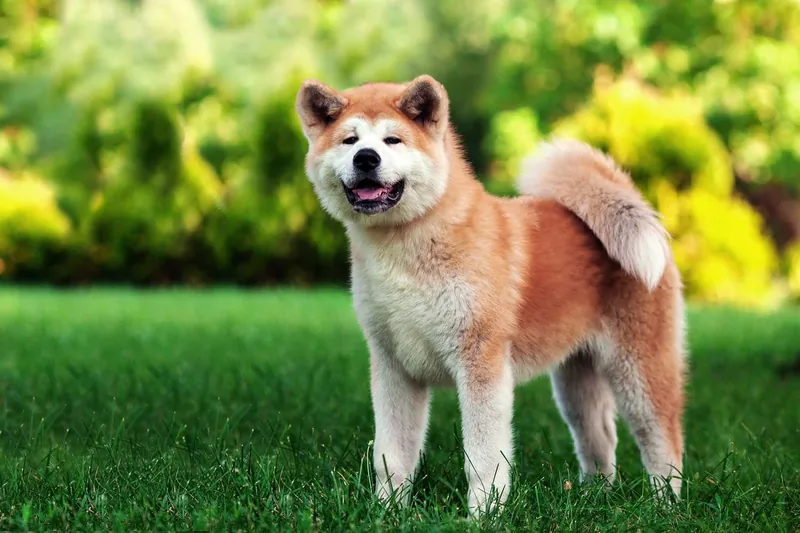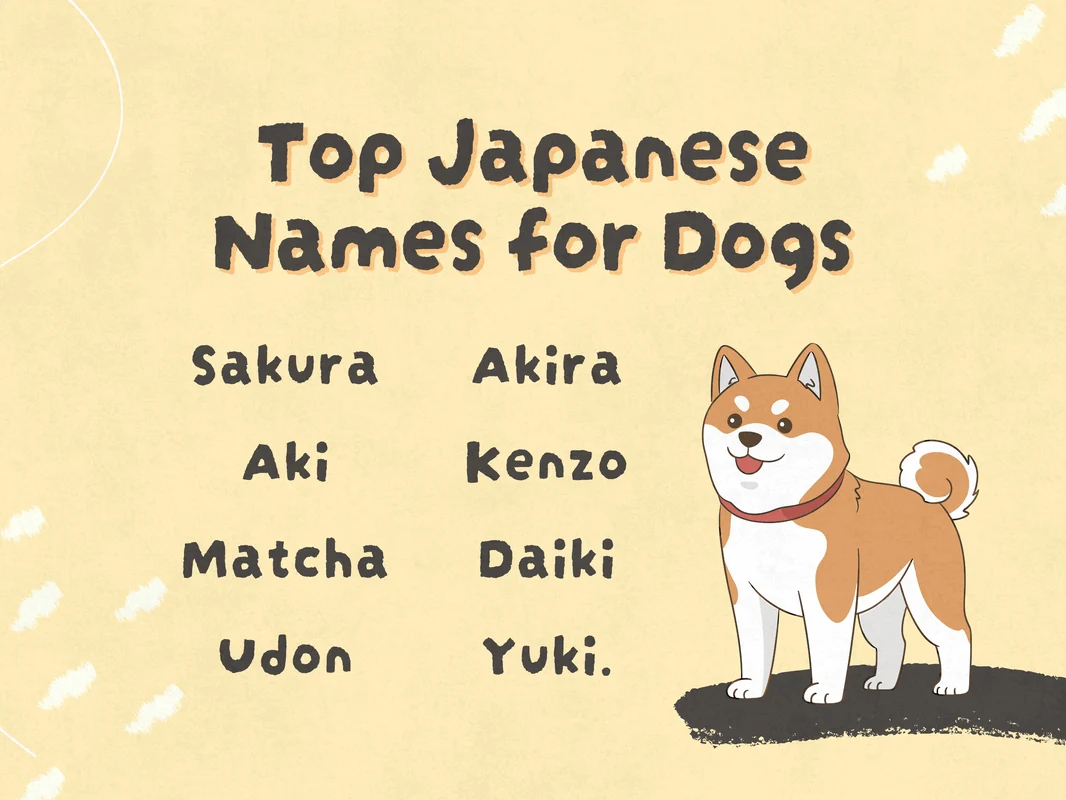
Japanese male dog names carry centuries of cultural tradition, from samurai heritage to Shinto spirituality. These names work beautifully for any breed—they're memorable, easy to call out, and each carries genuine meaning rooted in Japanese language and philosophy. Whether you're drawn to strength, nature, weather, or virtue, Japanese names offer personality and depth that transcend typical English pet naming. Many reflect samurai ideals, celestial themes, or simple natural elements that resonate with dog owners seeking something distinctive yet respectful. Our top picks: Akira, Kenji, Takeshi, Daichi, Riku. Full list below, searchable and sortable.
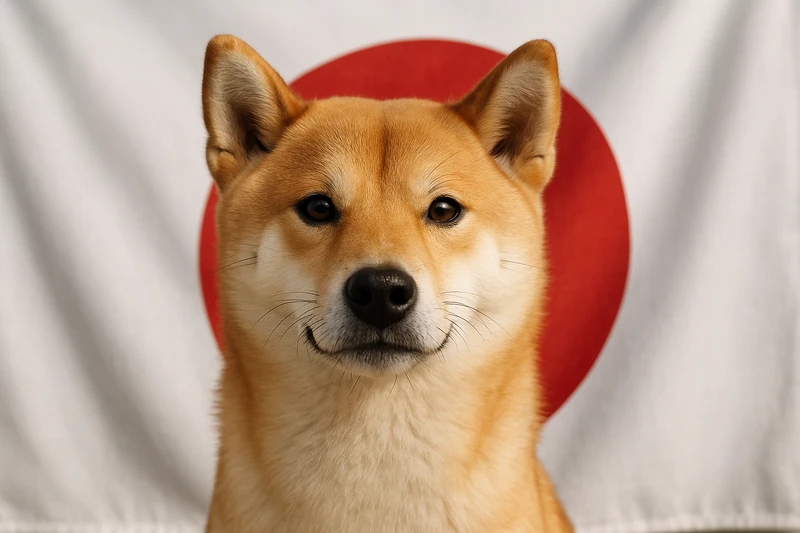
The picks of the litter
Our Gaeilge teacher, a rescue trainer, and thirteen very good dogs weighed in. These five kept coming up.
-
01
AkiraMeans 'bright' or 'clear' in Japanese, symbolizing intelligence and clarity.
-
02
KenjiCombines kanji for 'healthy' and 'second son,' representing strength and vitality.
-
03
TakeshiMeans 'fierce warrior' or 'warrior of strength,' reflecting martial heritage.
-
04
DaichiCombines kanji for 'great' and 'first,' meaning 'great one' or 'leader.'
-
05
RikuMeans 'land' or 'continent' in Japanese, representing groundedness.
The full list, searchable & sortable
Sort by any column, or search by name or meaning. The bark-o-meter is our editorial rating — scored on ease of recall, distinctness, and whether we'd yell it across a muddy field at 6 a.m.
| Name ▾ | Tag | Meaning | Bark-o-meter |
|---|---|---|---|
| Akira | very popular | Means 'bright' or 'clear' in Japanese, symbolizing intelligence and clarity. | |
| Kenji | popular | Combines kanji for 'healthy' and 'second son,' representing strength and vitality. | |
| Takeshi | popular | Means 'fierce warrior' or 'warrior of strength,' reflecting martial heritage. | |
| Daichi | trending | Combines kanji for 'great' and 'first,' meaning 'great one' or 'leader.' | |
| Riku | popular | Means 'land' or 'continent' in Japanese, representing groundedness. | |
| Hideo | classic | Combines 'hide' (excellent) and 'o' (man), creating 'excellent man.' | |
| Taro | classic | Literally 'first son' in Japanese, a classic naming convention for males. | |
| Jiro | classic | Means 'second son,' often given as a companion name to Taro. | |
| Saburō | rare | Means 'third son,' continuing the traditional birth-order naming pattern. | |
| Noboru | rare | Means 'ascend' or 'climb,' symbolizing growth and progress. | |
| Katsu | popular | Means 'victory' or 'win' in Japanese, a name of strength and triumph. | |
| Masaru | classic | Means 'victory' or 'surpass,' conveying superiority and strength. | |
| Isao | rare | Means 'merit' or 'achievement,' reflecting honor and accomplishment. | |
| Yoshiro | classic | Combines 'yoshi' (good) and 'ro' (son), meaning 'good son.' | |
| Yoshi | very popular | Means 'good' or 'excellent,' a standalone positive virtue name. | |
| Koji | popular | Combines kanji for 'small' and 'second,' or can mean 'fragrance.' | |
| Minoru | rare | Means 'fruitful' or 'productive,' symbolizing abundance and growth. | |
| Shiro | popular | Means 'white' or 'castle' depending on kanji, with both meanings auspicious. | |
| Kuro | very popular | Means 'black' in Japanese, a straightforward color-based name. | |
| Haru | popular | Means 'spring' in Japanese, symbolizing renewal and new beginnings. | |
| Natsu | popular | Means 'summer,' evoking warmth, energy, and brightness. | |
| Aki | popular | Means 'autumn' or 'bright,' symbolizing harvest and clarity. | |
| Fuyu | rare | Means 'winter,' representing stillness, strength, and endurance. | |
| Tarou | classic | Alternative spelling of Taro, means 'first son' with strong presence. | |
| Saburo | rare | Means 'third son,' traditional naming convention in Japanese families. | |
| Isamu | classic | Means 'courage' or 'valor,' reflecting brave and bold spirit. | |
| Tadao | rare | Combines 'tada' (faithful) and 'o' (man), meaning 'faithful man.' | |
| Seiji | rare | Means 'sincere' or 'true,' reflecting honesty and authenticity. | |
| Ichiro | classic | Means 'first son' with 'ichiro' literally 'first,' a primary naming choice. | |
| Goro | rare | Means 'fifth son,' completing the birth-order naming series. | |
| Masaki | classic | Combines 'masa' (correct) and 'ki' (tree/spirit), suggesting right spirit. | |
| Hiroshi | classic | Means 'generous' or 'broad,' conveying kindness and openness. | |
| Tadashi | rare | Means 'loyal' or 'faithful,' emphasizing devotion and constancy. | |
| Tadoru | rare | Means 'to follow' or 'to pursue,' suggesting companion spirit. | |
| Takahiro | classic | Combines 'taka' (tall/hawk) and 'hiro' (generous), creating dual imagery. | |
| Haruto | trending | Combines 'haru' (spring) and 'to' (person/sun), meaning spring person. | |
| Kaito | popular | Combines 'kai' (ocean/shell) and 'to' (person), meaning ocean person. | |
| Naoto | rare | Combines 'nao' (honest) and 'to' (person), meaning honest person. | |
| Shota | trending | Combines 'sho' (shine) and 'ta' (thick), creating bright imagery. | |
| Tetsuo | rare | Combines 'tetsu' (iron) and 'o' (man), meaning iron man. | |
| Saburi | rare | Alternative form suggesting 'third warrior,' less common variation. | |
| Hikaru | popular | Means 'shining' or 'brilliant,' conveying light and radiance. | |
| Soichi | rare | Combines 'so' (early) and 'ichi' (first), meaning early first. | |
| Botan | rare | Means 'peony' in Japanese, a flower symbolizing honor and shame. | |
| Koichi | classic | Combines 'ko' (small) and 'ichi' (first), creating intimate imagery. | |
| Tetsuya | rare | Combines 'tetsu' (iron) and 'ya' (arrow), suggesting iron arrow. |
Frequently asked questions
What are the most popular male Japanese dog names?
Do Japanese dog names work for any breed?
What do I do if I want two related male Japanese names?
Are there seasonal Japanese dog names for males?
What's the difference between traditional and modern male Japanese dog names?